
Countries Archives: Democratic Republic of the Congo

Congo and Congo–Lukasa Memory Board Game(2)

Click here to learn how to take class online with Jay

[wpspoiler name=”Lukasa Memory Board” open=”true” style=”aatw-video”][/wpspoiler]

THE LUKASA MEMORY BOARD GAME: ADVANCED VERSION (basic version here.)

A game of interpretation and imagination.

MATERIALS NEEDED:

  • piece of cardboard, approximately 7″ x 15″
  • beads, coins, shells or anything you’d like to use for pieces
  • a timer or clock
  • imagination

PLAYERS: At least 3 players. Best to have several people in the room to enjoy the stories.

SUGGESTED AGES: 9 and up.

THE BASICS:

Two MBUDYE (interpreters) compete to tell the most creative story using the pieces laid out by the MULOPWE (the king).

Step 1: THE BOARD

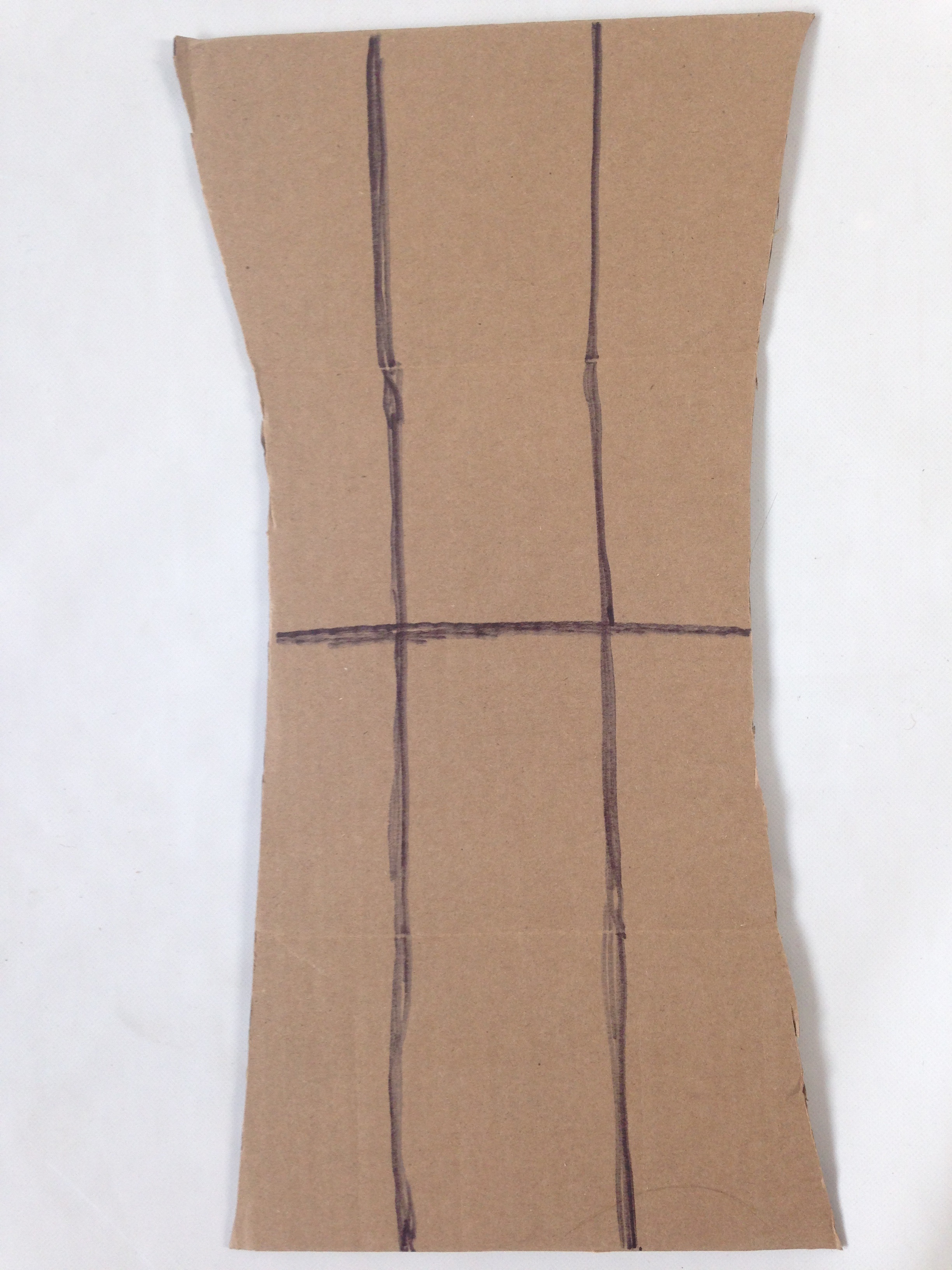
Lukasa1 The board for your Lukasa Memory Board Game can be very simple. A rectangular piece of cardboard, about 7″ x 15″ (real lukasa memory boards are a bit smaller, about 5″ x 8″) — cut from a box would be ideal. You can also use any rectangular mat, folder or sheet of paper.


Lukasa2

A traditional lukasa memory board is not rectangular, but shaped slightly like an hourglass. If you want to want to get fancy, cut your board into the shape of an hourglass.

Draw a line across the middle to represent the LUKALA, a row of raised mounds on sent on most memory boards. Divide your board into six sections, three on the top, three on the bottom.


Step 2: THE PIECES
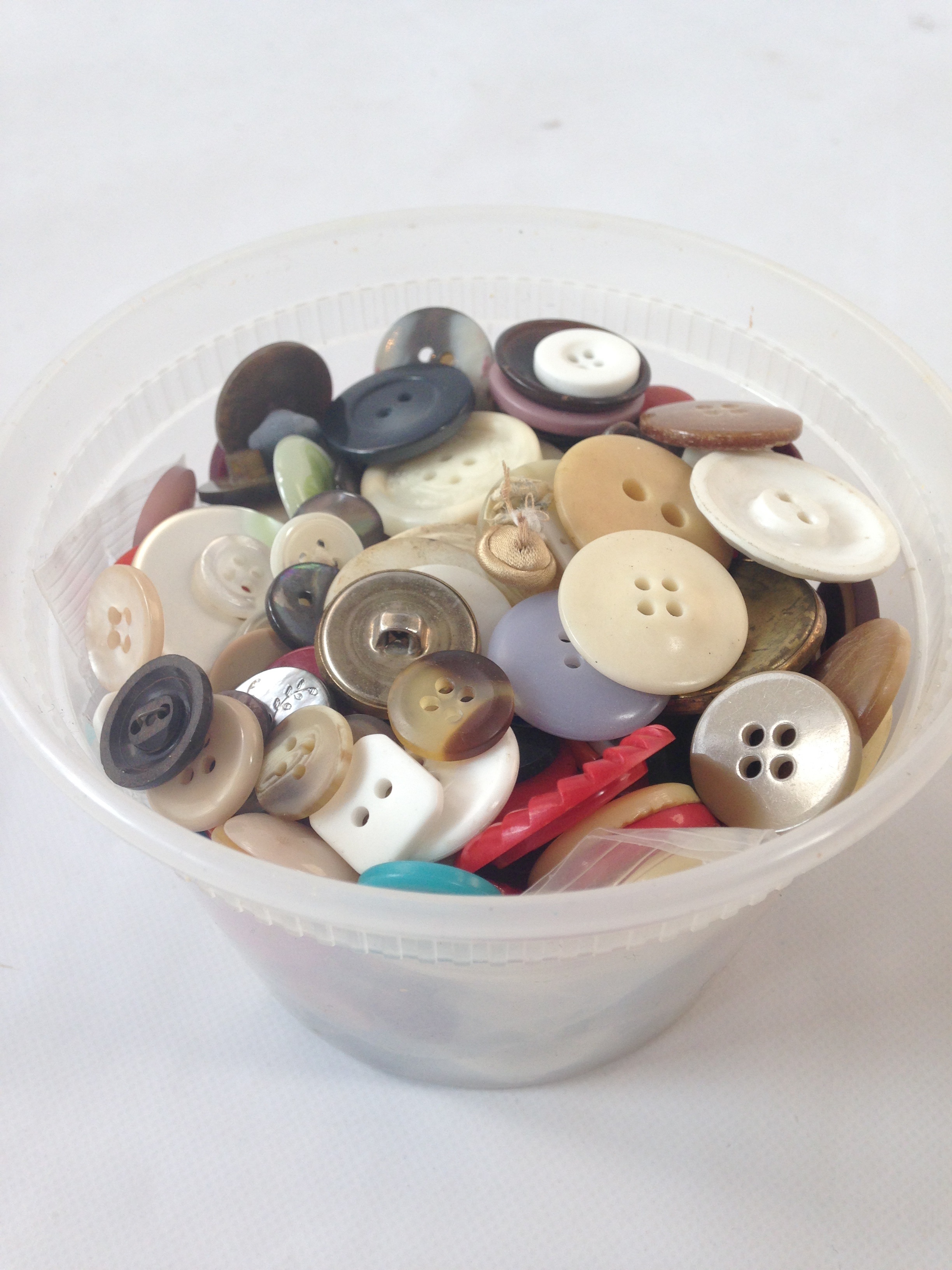
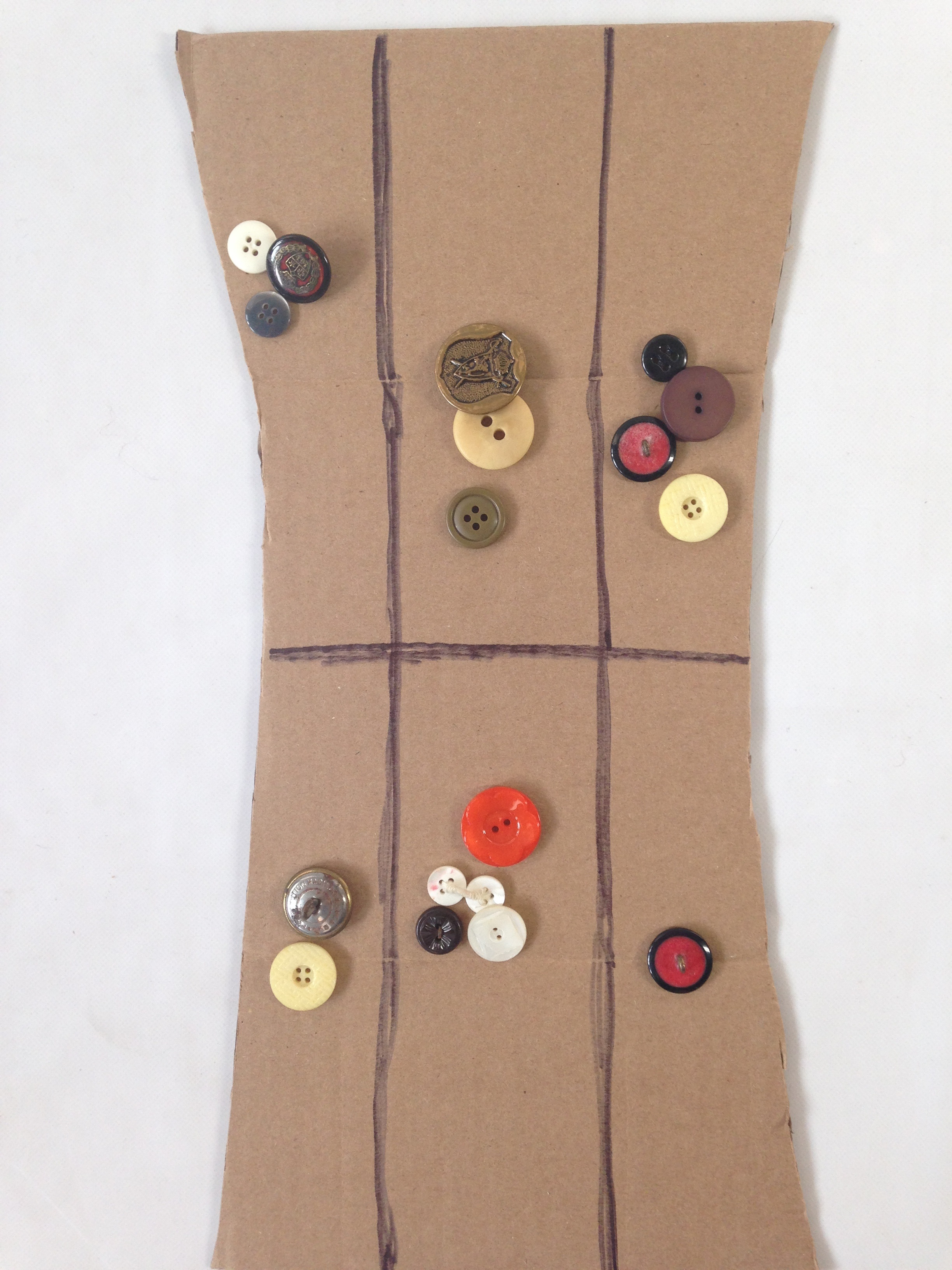
Lukasa3You can use any little things you find around the house for the game pieces The Luba used colorful beads and shells for their memory boards so default to those, but you may also use buttons, coins or even small pieces of paper. You need at least 30 beads or game pieces – they don’t all have to be the same.


Step 3: PREPARING THE BOARD

  1. Two players in each round will be MBUDYE. The third will be the MULOPWE (king).
  2. The MULOPWE lays out the pieces on the memory board. The MULOPWE chooses how many pieces to put into each section.

Above the LUKALA, on the top half of the board, the number of pieces the MULOPWE places in the sections will dictate the three characters in the MBUDYE’s story:

ONE => A HERO or HEROINE – In Luba lore, the hero is usually Mbidi Kiluwe, “culture-bearer of kingship,” though your hero or heroine can be anyone. Your hero or heroine can be any age.

TWO => AN ANTI-HERO – The villain is often the evil Nkongolo Mwamba, but in your story can be anyone.

THREE => A BUFFALO: Any character that is powerful and brave

(In Luba tradition associated with, says Wikipedia, “ambivalent power and secret potential.”)

FOUR => A TORTOISE: Any character that is old and wise

(Associated with, according to PrimarySource.org, “the passage of time and secret knowledge.”)

FIVE => A SERPENT: Any character that’s a bad dude, a trickster

(Associated with violence or, if you don’t want your story to go that way, bad behavior.)

SIX => A CROCODILE: A wildcard – can be very good character who helps the hero, a very bad character who helps the anti-hero, or both. (Associated with the dual nature of the Luba political structure)

Below the LUKALA, on the bottom half of the board, the number of pieces the MULOPWE places in the sections will suggest the plot of the story, in chronological order

ONE => A VICTORY

TWO => A BATTLE

THREE => A GREAT JOURNEY

FOUR => SOMETHING UNEXPECTED

FIVE => SOMETHING ABSURD

SIX => SOMETHING SAD

PLAYING THE GAME

  1. The MULOPWE reveals the board.
  2. The MULOPWE chooses which MBUDYE will go first. That MUBUDYE “interprets the board” by telling a story based on the pieces, lasting no longer than three minutes. (That’s why you need the timer.) The MUBDYE uses the three characters the MULOPWE has chosen – the pieces in the top sections of the board — and the chronological plot points the MULOPE has laid out in the bottom three sections.
  3. The second MULOPWE interprets the same board, telling his or her own story within the same time frame using the same characters and chronology, attempting to be more creative than the first.
  4. The MULOPWE decides which MUBUDYE told the best story. (The crowd can help with cheers.) The MULOPWE resets the board and starts the next round.
  5. The first MUBUDYE to best the other in two of three rounds wins and gets to be the MULOPWE.

EXAMPLES of STORIES:
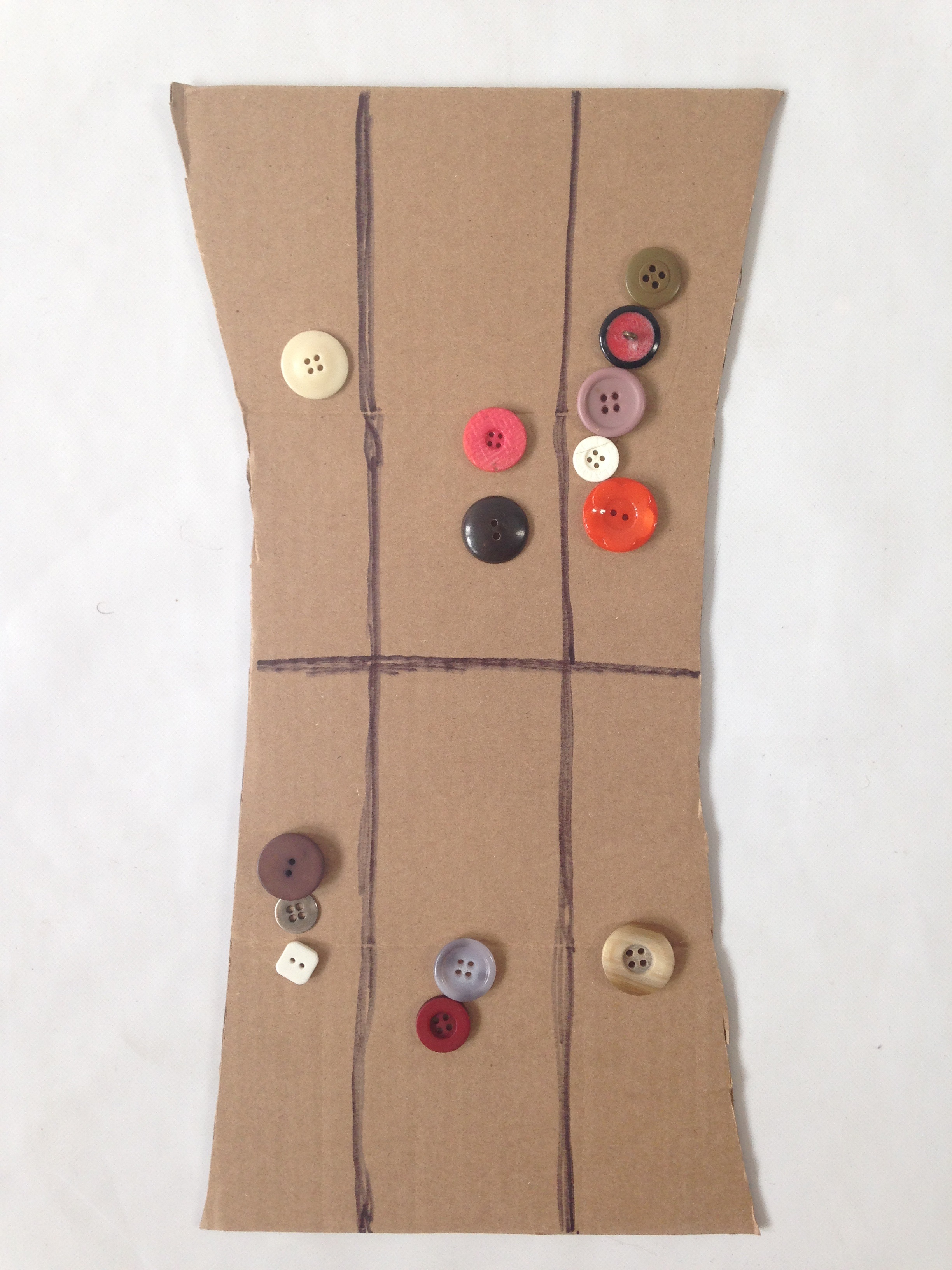
Lukasa5

Above the LUKALA – Hero, Anti-Hero, Serpent

Below the LUKALA – A Journey, A Battle, A Victory

Our hero: A ping-pong playing rogue named Roscoe

Our anti-hero: The evil dark lord of ping-pong, known as Dastardly Dave

Our serpent: Dastardly Dave’s grandson, Crafty Pete

The story: Roscoe, our HERO, hails from a small town in northern Maine. He learns how to play ping pong in his family’s farm shed from his grandfather, known as Good-Tempered Lou, a former international champion who was defeated by Evil international ping pong star known as Dastardly Dave, our ANTI-HERO. Roscoe falls in love the game, practices with grandpa from the wee hours of morning until late at night, and eventually lands a full ping pong scholarship to Harvard. He takes a JOURNEY to Boston to go to school, hustling ping pong at night to pay for his room and board. One night Crafty Pete, grandson of Dastardly Dave, comes to town. He and Roscoe have a chance meeting at a Red Sox game – of course Crafty Pete, our SERPENT, is a die-hard Yankees fan – and they end up playing a BATTLE Royale using the best ping pong table in town, in the Tufts Student Union. Of course Roscoe wins – a VICTORY for all in the world that is good and true – and Crafty Pete returns to New York, a defeated man. He retires from professional ping-pong, hits rock bottom by starring in a reality show on ESPN 4 about retired professional ping-pong players who have hit rock bottom, and eventually goes on to start a billion dollar hedge fund.

Another Example:
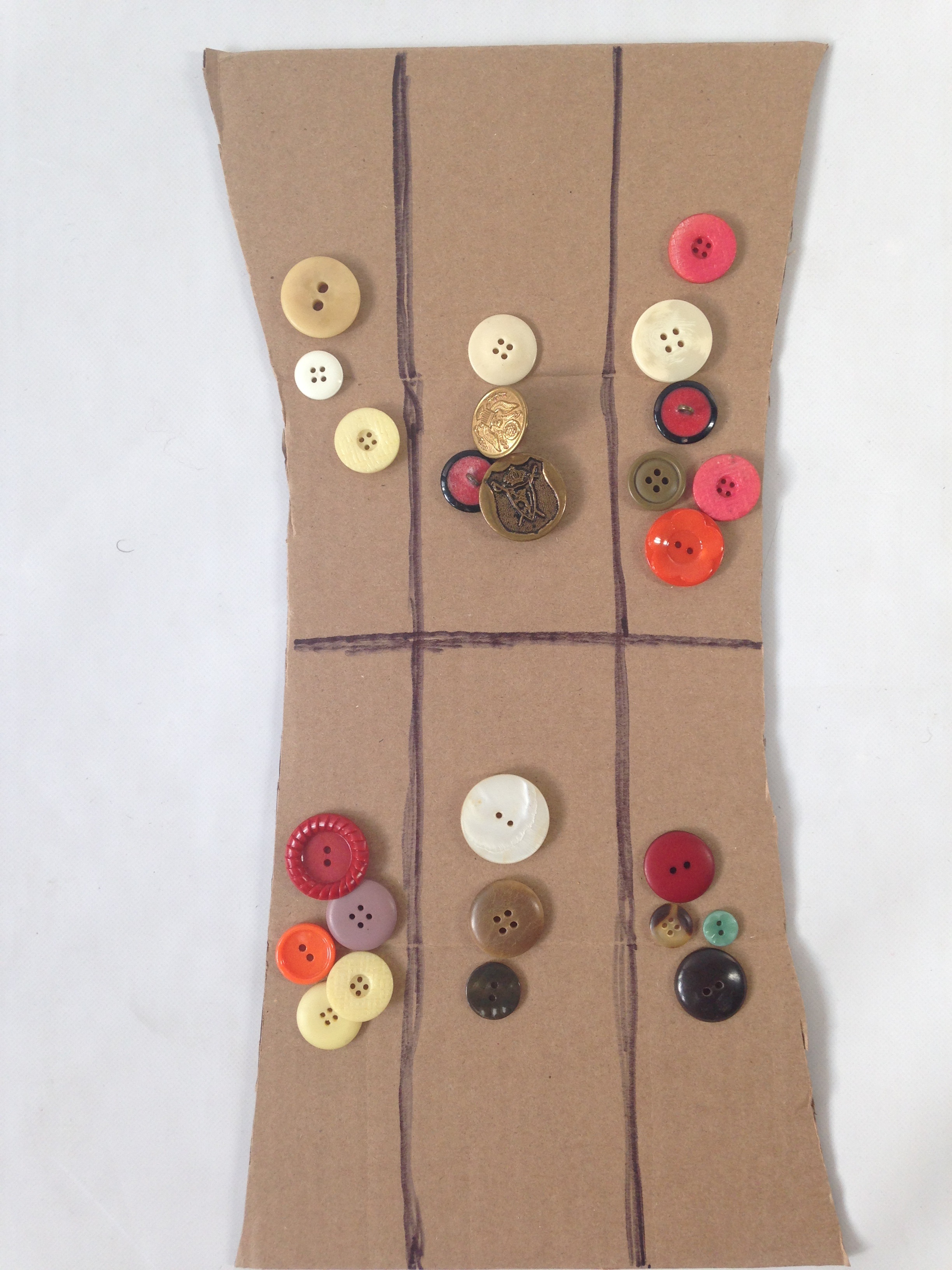
Lukasa6

Above the LUKALA – Buffalo (someone powerful), Tortoise (someone old and wise), Crocodile (a wildcard)

Below the LUKALA – Something Absurd, a Great Journey, Something Unexpected

Story: Harrison, a bold and powerful substitute teacher (BUFFALO), arrives at The University of Luba to administer the final exam for American History professor, Dr. Henry, who couldn’t teach that morning because she grew a third arm out of her forehead and was at home waiting for an arm-removal service so she could have it removed. (ABSURD!) Sitting in the front row of class is old and wise Mary, our TORTOISE, a 93 year-old great-grandmother who had never finished college because of her marriage at the age of 18 but who had returned when she was 90 to get a degree – A GREAT JOURNEY. Harrison monitors the test, which Mary aces because she’s intimately familiar with a whole lot of recent history, but UNEXPECTEDLY, he mixes up her test booklet with that of a college student who only knows history if it was the subject of a show on the History Channel. (Our CROCODILE. He would have aced the sections on Hitler.) Mary fails the test but, having learned a trick or two among the young upstats (70 year-olds) at her elder living community, hacks into the school’s mainframe, changes her grade to an A, and graduates with honors.


How to sing with Jay each week in your home or classroom Support All Around This World on Patreon Enjoy interactive All Around This World lessons in your home or classroom

Congo and Congo–Lukasa Memory Board Game

The Luba, a Bantu-speaking people who live in Central Africa, mainly in the southeastern corner of the Democratic Republic of the Congo, archive their cultural identity using traditional form of art known as the “lukasa memory board.” The wooden board is a literal platform for capturing an important community memory. Artists start with a blank board then attach beads, shells and other available materials in traditionally metaphoric patterns. Those who can interpret the patterns — a group of revered scholars in a society known as Mbudye — understand them as a way to tell a story about a particular chiefdom, such as its major historical events, structures and philosophical beliefs. Mbudye use their substantial knowledge of the past of Luba society to interpret the memory boards in a way that teach lessons about issues important in contemporary society.

Lukasa7THE LUKASA MEMORY BOARD GAME: BASIC VERSION

A rapid-fire game of memory.

MATERIALS NEEDED:

  • 3 pieces of cardboard, about 7″ x 15″ each
  • A cup-full of little beads, coins, shells, popcorn kernels or anything you’d like to use for game pieces. (at least 100.)
  • quick-thinking

PLAYERS: At least 3 players.

SUGGESTED AGES: 7 and up.


THE BASICS:

Two MBUDYE (interpreters) compete to remember the pattern of beads laid out on the board by the MULOPWE (the king).

Step 1: THE BOARDS

Lukasa1The boards for your Lukasa Memory Board Game can be very simple. A rectangular piece of cardboard, approximately 7″ wide and 15″ long (real lukasa are smaller, about 5″ wide and 8″ long but we can use the extra space) — cut from a box would be ideal. You can also use any rectangular mat, folder or sheet of paper.


Lukasa2A traditional lukasa memory board is not rectangular, but shaped slightly like an hourglass. If you want to want to get fancy, cut your board into the shape of an hourglass.

Divide your board into six sections.


Step 2: THE PIECES

Lukasa3You can use any little things you find around the house for the game pieces The Luba used colorful beads and shells for their memory boards so default to those, but you may also use buttons, coins or even small pieces of paper. You need a least 100 beads or game pieces, so little beads that come in a bunch in an art kit would work just fine.


Step 3: PLAYING THE GAME

  1. Two players in each round will be MBUDYE. The third will be the MULOPWE (king).
  2. The MBUDYE cover their eyes. The MULOPWE lays out the pieces on the memory board. The Mulopwe chooses how many pieces to put into each section.

Each of the pieces represents a character in Luba tradition:

ONE => MBIDI KILUWE, THE HERO – In Luba lore he often is the hero in the stories portrayed on the memory boards – “the culture-bearer of kingship.”

TWO => NKONGOLO MWAMBA. THE ANTI-HERO – Appears in Luba tales as a violent and vile character.

THREE => THE BUFFALO: In Lukasa tradition associated with, says Wikipedia, “ambivalent power and secret potential.”

FOUR => THE TORTOISE: Associated with, according to PrimarySource.org, “the passage of time and secret knowledge.”

FIVE => THE SERPENT: Associated with violence or, if you don’t want your story to go that way, bad behavior.

SIX => THE CROCODILE: A wildcard. Associated with the dual nature of the Luba political structure.

When the MULOPWE says “go!” the MUBUDYE uncover their eyes. They can look at the board for five seconds, then cover their eyes again.

The MULOPWE hides his or her board.

When the MULOPWE says to go again, MUBUDYE uncover their eyes.

The MUBUDYE race to put the right number of beads into the correct sections of his or her own board to match the board of the MULOPWE, in order (top left to bottom right), calling the names out loud of the characters they represent.

The first of the MUBUDYE to get the pattern with the corresponding names of the characters right wins the round.

EXAMPLE:

Lukasa7

On this board, the winning MUBUDYE would be the first one to call out the beads and place them on his or her board in order:

BUFFALO! 

BUFFALO!

TORTOISE!

NKONGOLO MWAMBA!

SERPENT!

MBIDI KILUWE!

Best three of five or best five of seven wins. Winning MUDUDYE becomes the next MULOPWE.

Now of course in Luba tradition being one of the Mubudye is not a race and is not at all about competition. If you’d like to play a much more challenging, but much more creative version of the game, click here.

How to sing with Jay each week in your home or classroom Support All Around This World on Patreon Enjoy interactive All Around This World lessons in your home or classroom

Congo and Congo–When you go there

Independent travel may not be easy, safe or even generally advisable on either side of the Congo River, but if you do survive you’ll probably have a lot of fun. Though Kinshasa and Brazzaville are just across the Congo from each other and each has a different vibe — according to Lonely Planet, Brazzaville is “low-key, somnolent and unassuming” and Kinshasha is “huge, sprawling, grimy and confusing,” — both have a rollicking, soukous-filled nightlife. Once you leave the city and forge deep into the jungle, the Congo’s natural wonders will probably be wonderful enough to make you glad you came.

How to sing with Jay each week in your home or classroom Support All Around This World on Patreon Enjoy interactive All Around This World lessons in your home or classroom

Congolese Rumba

[Information about Congolese rumba coming soon.]

How to sing with Jay each week in your home or classroom Support All Around This World on Patreon Enjoy interactive All Around This World lessons in your home or classroom

Independence Cha Cha

An optimistic African independence song from the Belgian Congo that struck a chord in Francophone African countries that, like Zaire, were just becoming independent in the early 1960s. The original version is by Le Grand Kallé, a Congolese musician prominent in the ’50s, known as the “Father of Congolese Music”–hear the original on YouTube. Le Grand Kallé (Joseph Kabasele) first performed the song in Brussels during talks with the Belgians that set the date for Congo’s independence. He wrote the song in languages that were in use both in the French Congo and the Belgian Congo as part of a statement to call for post-independence cultural and political unity…though as we know, at least lately, that things in the Democratic Republic of Congo haven’t been so peaceful.

Country: The Democratic Republic of Congo
Language: originally in French, Kikongo and Tshiluba
Genre: Congolese Rumba

Congolese rapper Baloji updates Independence Cha Cha


How to sing with Jay each week in your home or classroom Support All Around This World on Patreon Enjoy interactive All Around This World lessons in your home or classroom

Credits

Written by Joseph Kabaselle, (c) both EMI Blackwood MusicInc OBO, EMI Music Publishing Belgium and Copyright Control

Soukous

Central African music’s soul comes from its dense natural landscape and from the ancient earth-inspired rhythms of the people who live on that land. Even so, music in the region is far from insular. In fact, the most famous (and most fabulous?) music of Central Africa may be soukous. Originating mainly in the urban centers of Congo, but now present in most every small city and sleepy tribal town, soukous is infinitely danceable. (Try not to dance when you hear soukous…impossible!) Soukous emerged in the years after World War II, starting in the ’50s when big Cuban rumba orchestras became all the rage in the Congo. By the ’60’s musicians like Joseph “Grand Kalle” Kabasele readily blended Afro-Cuban rhythms with African jazz. Soukous became popular when innovators such as Sam Mangwana layered racing, jangling guitars on top of music like Kabasele’s, laying the foundation for the musical birth of Congolese artists like the long-lived Zaiko Langa Langa and its impeccably-dressed co-founder, “Pope of the Sapeurs: Society of Ambianceurs and Persons of Elegance” himself, Papa Wemba.

Why is there such a deep connection between Cuba and the Congo? During the Spanish and Portuguese colonization of the Americas most slaves came from West and Central Africa, bringing their African rhythms along in the Passage. Over the centuries Afro-Latin musicians often returned to their roots by touring in the region and by building cultural and instrumental connections with West and Central African musicians. (Putumayo’s “Congo to Cuba” explores this connection.) Perhaps in part because of this shared history, in the 1960s Latin Americas most prominent Communist revolutionaries, Fidel Castro and Che Guevara, supported Congolese anti-colonalialist struggles–Fidel by sending Cuban troops, Che by sending himself.


How to sing with Jay each week in your home or classroom Support All Around This World on Patreon Enjoy interactive All Around This World lessons in your home or classroom

Teach Kids About Africa — Kwassa Kwassa


LET’S DANCE KWASSA KWASSA

KWASSA KWASSA is the primary dance of SOUKOUS in which the legs shake, the hips roll around and the hands follow the hips’ motion. The dance originated in the 1970s and became popular all over Africa in the ’80s. The name for the dance may have come from the French “Quoi ça”? (what’s that?).

The KWASSA KWASSA appeared almost two decades after the Congos became independent, but its relationship to Soukous, which arose from Congolese Rumba, makes it feel like a dance celebrating freedom. Knowing the region’s many troubles, dancing the Kwassa Kwassa helps connect us with a time in Central Africa when the future looked bright and hope reigned supreme. What can we do to help that optimistic time come again?

PLEASE NOTE: The lesson and embedded video are NOT “How to dance the kwassa kwassa” tutorials. The goal of this lesson is to provide the tools for you to treat your very youngest students to their first introduction to the kwassa kwassa and to inspire you to get up and dance together. (Your dance moves can’t be any worse than mine!) Ideally the lesson will be the first step on your and your students’ road to further Congolese music and dance exploration.

Grand Zaiko Wawa dancing Kwassa Kwassa

How to sing with Jay each week in your home or classroom Support All Around This World on Patreon Enjoy interactive All Around This World lessons in your home or classroom

Congo and Congo–Music

One of the Congo’s most famous and most fabulous forms of music is soukous, which is infinitely danceable. Try not to dance when you hear soukous…impossible! Soukous emerged in the years after World War II, starting in the ’50s when big Cuban rumba orchestras became all the rage in the Congo. By the ’60’s musicians like Joseph “Grand Kalle” Kabasele readily blended rumba with African jazz, and formed a genre sometimes known as Congolese Rumba. Soukous emerged when innovators such as Sam Mangwana layered funky African rhythms and racing, jangling guitars on top of that, laying the foundation for the musical birth of Congolese artists like the long-lived Zaiko Langa Langa and its impeccably-dressed co-founder, “Pope of the Sapeurs: Society of Ambianceurs and Persons of Elegance” himself, Papa Wemba.

How to sing with Jay each week in your home or classroom Support All Around This World on Patreon Enjoy interactive All Around This World lessons in your home or classroom

Congo and Congo–Overivew

The Democratic Republic of Congo, a massive tract of tropical forest smack dab in the center of Africa, has appeared on the map as Congo Free State, Belgian Congo, Congo-Leopoldville, Congo-Kinshasa and Zaire, mainly beneath the thumb of the colonial powers that have long viewed the DRC as an infinite generator of natural resources. In the ’60s, after the country, then known as Zaire, became independent from Belgium, Western powers supported General Mobutu Sésé Seko as he stepped forth to steer the country away from Communism. And step he did…all over Zaire’s people. Since Mobuto’s death in 1997, the country has suffered a series of horrendous military conflicts that have drawn in several of its African neighbors and has become known as “Africa’s World War.”

By contrast, Republic of the Congo has been comparatively politically stable since the ’60s when it gained independence from France and became a Marxist state. Stable…? Sort of. Free and democratic…? Not necessarily.

Most of the DRC’s 68 million people live scattered among its 900,000 square miles of tropical forest. By contrast, 70% of Republic of the Congo-Brazzaville’s 4 million or so people live not in the dense forests, but in its few cities. (Republic of the Congo’s forests are, however, home to 80% of the world’s gorillas and most of its wild chimpanzees.)

While most of DRC’s people are Bantu, albeit from 200 different ethnic groups, in the Republic of the Congo there is a stark class divide between pygmies and Bantu people, with Bantu most often coming out on top.

About 80% of the DRC’s people are Christian. While 50% of the DRC’s Christians are Roman Catholic, the country also includes a healthy number of Kimbanguists whose denomination, which follows “the church of Christ on Earth by the prophet Simon Kimbangu,” eschews politics and embraces a puritan ethic, rejecting the use of
violence, polygamy, magic and witchcraft, alcohol, tobacco, and dancing. By contrast, in the Republic of the Congo. Christians and animists split the population about 50/50.

How to sing with Jay each week in your home or classroom Support All Around This World on Patreon Enjoy interactive All Around This World lessons in your home or classroom